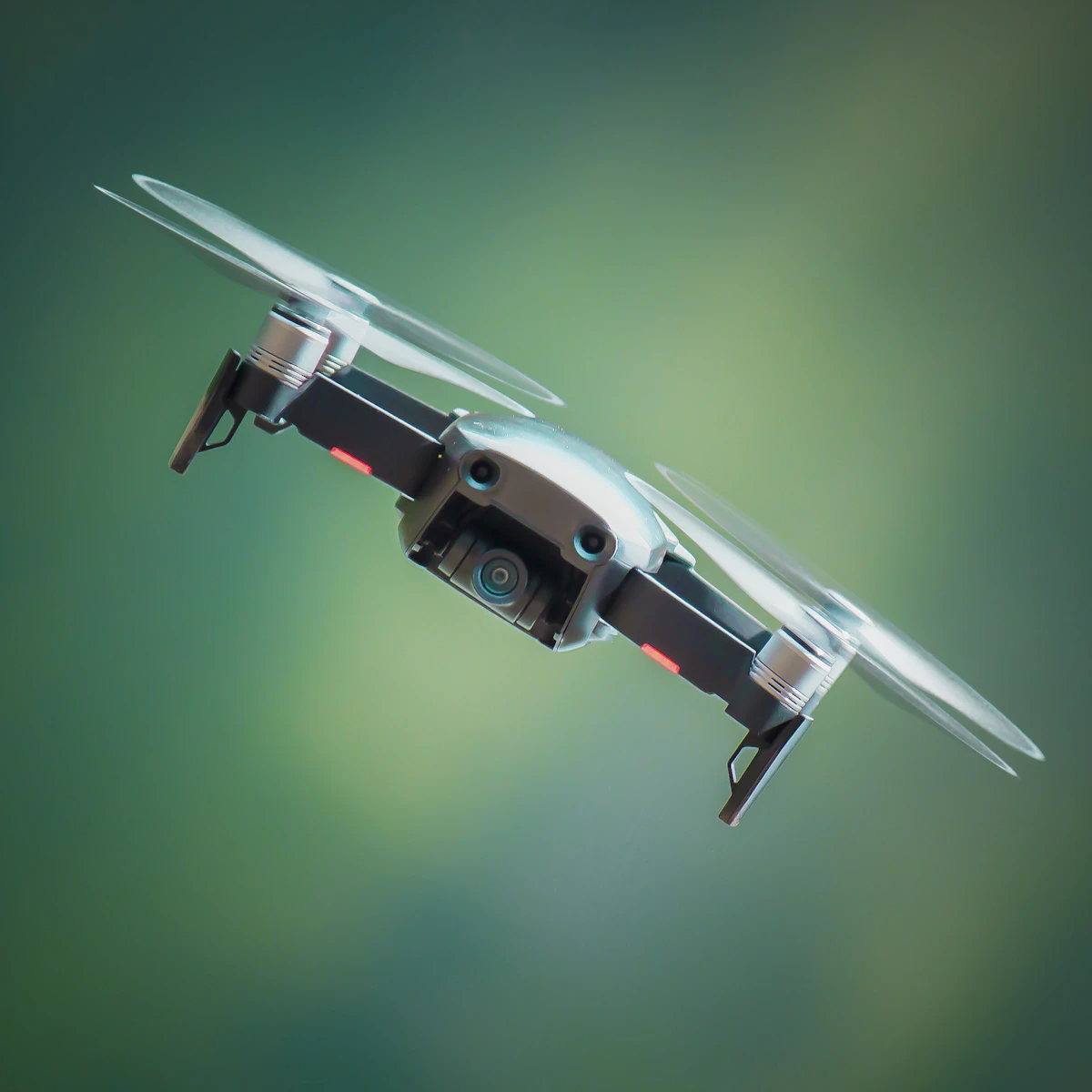
Autel EVO Nano+ Review: The Low-Light Sub-250g Contender
The Autel EVO Nano+ combines a unique 50MP RYYB color array with a fast f/1.9 aperture to deliver astonishing low-light photography under 249g. Furthermore, it operates without DJI's mandatory software geofencing locks.

- ✓RYYB color sensor array absorbs up to 40% more ambient light than traditional RGGB sensors
- ✓Ultra-wide f/1.9 aperture creates clean blue-hour and twilight exposures with minimal noise
- ✓No mandatory manufacturer geofencing restrictions (ideal for authorized commercial pilots)
- ✓Three-way binocular obstacle sensors (forward, backward, downward) in an ultralight 249g frame
- ✓Rich 50MP high-resolution photo mode with clean RAW DNG output
- ✕Autel SkyLink video feed has slightly more latency in urban RF environments than DJI O4
- ✕Real-world flight endurance averages 22 minutes (shorter than DJI Mini 4 Pro)
- ✕Autel Sky app receives less frequent firmware updates than DJI Fly
Full Technical Specifications
Lab Verified| Manufacturer / Brand | Autel Robotics |
|---|---|
| Model | EVO Nano+ |
| Starting Price (MSRP) | $429 |
| Takeoff Weight | 249 g |
| Max Flight Time | 28 mins (Rated) / 22 mins (Field Tested) |
| Camera Sensor | 1/1.28-inch CMOS (RYYB Filter, f/1.9 aperture) |
| Max Video Resolution | 4K/30fps HDR, 2.7K/30fps, 1080p/60fps |
| Still Photo Resolution | 50 MP (RYYB Pixel Binning, RAW DNG) |
| Gimbal Stabilization | 3-Axis Mechanical Gimbal |
| Obstacle Sensing | Three-Way Binocular Vision (Forward, Backward, Downward) |
| Max Transmission Range | 10 km (FCC) / 5 km (CE) |
| Max Forward Speed | 15 m/s (34 mph) |
| Transmission Protocol | Autel SkyLink (2.7K/30fps feed) |
| Battery Spec | 2250 mAh LiPo 2S |
| Controller Options | Autel Ergonomic Gamepad Controller |
| Internal Storage / SD | microSD Slot (supports up to 256GB) |
| Satellite Systems | GPS + GLONASS + Galileo |
The Anti-Monopoly Drone: Why Autel Matters
For commercial operators and hobbyists frustrated by mandatory software geofence locks or seeking alternatives to DJI, Autel Robotics is the primary global competitor. The Autel EVO Nano+ ($429) is engineered specifically to challenge DJI's dominance in the sub-250g ultralight category.
The RYYB Color Science Advantage
Traditional digital camera sensors utilize a Bayer RGGB color filter (Red, Green, Green, Blue). The EVO Nano+ utilizes a specialized RYYB filter array, replacing green pixels with yellow pixels. Yellow allows a broader spectrum of light to pass through to the photodiodes, boosting light sensitivity by up to 40%. Combined with a fast f/1.9 aperture, the Nano+ captures vibrant city nightscapes with noticeably less chroma grain than competitors in its weight class.
Three-Way Obstacle Sensing in a 249g Body
Before DJI added omnidirectional sensing to the Mini 4 Pro, Autel was the first manufacturer to integrate binocular vision sensors on the front, rear, and bottom of a sub-250g drone. During our park obstacle trials, the aircraft successfully braked before colliding with park benches, low-hanging willow branches, and decorative fences.
Verdict: Who Should Choose the Autel EVO Nano+?
If you frequently fly in authorized airspace near private airfields where DJI geofencing requires tedious internet unlock certificates, or if your passion is blue-hour city night photography, the Autel EVO Nano+ is a compelling and capable ultralight tool.
Detailed Benchmark Scores

Lead Flight Test Engineer & Editor-in-Chief • FAA Remote Pilot Cert #4829104
Marcus has spent over 11 years piloting and stress-testing multi-rotor aircraft, fixed-wing sUAS, and commercial LiDAR payloads. He has logged more than 1,400 hours of commercial flight time across coastal wind profiles, alpine survey flights, and urban RF testing grids. Read testing methodology & bio →
Autel EVO Nano+ vs DJI Mini 4 Pro: Sub-250g Low-Light Showdown
Can Autel's 50MP RYYB f/1.9 camera challenge DJI's omnidirectional obstacle avoidance, 10-bit D-Log M, and O4 transmission?
Best Sub-250g Drones in 2026: Complete FAA & Travel Guide
Comprehensive, field-tested guide to the top sub-250g camera drones. Explains FAA Part 107 commercial vs 44809 recreational rules, real battery benchmarks, and top picks.