Autel EVO Nano+ vs DJI Mini 4 Pro: Sub-250g Low-Light Showdown
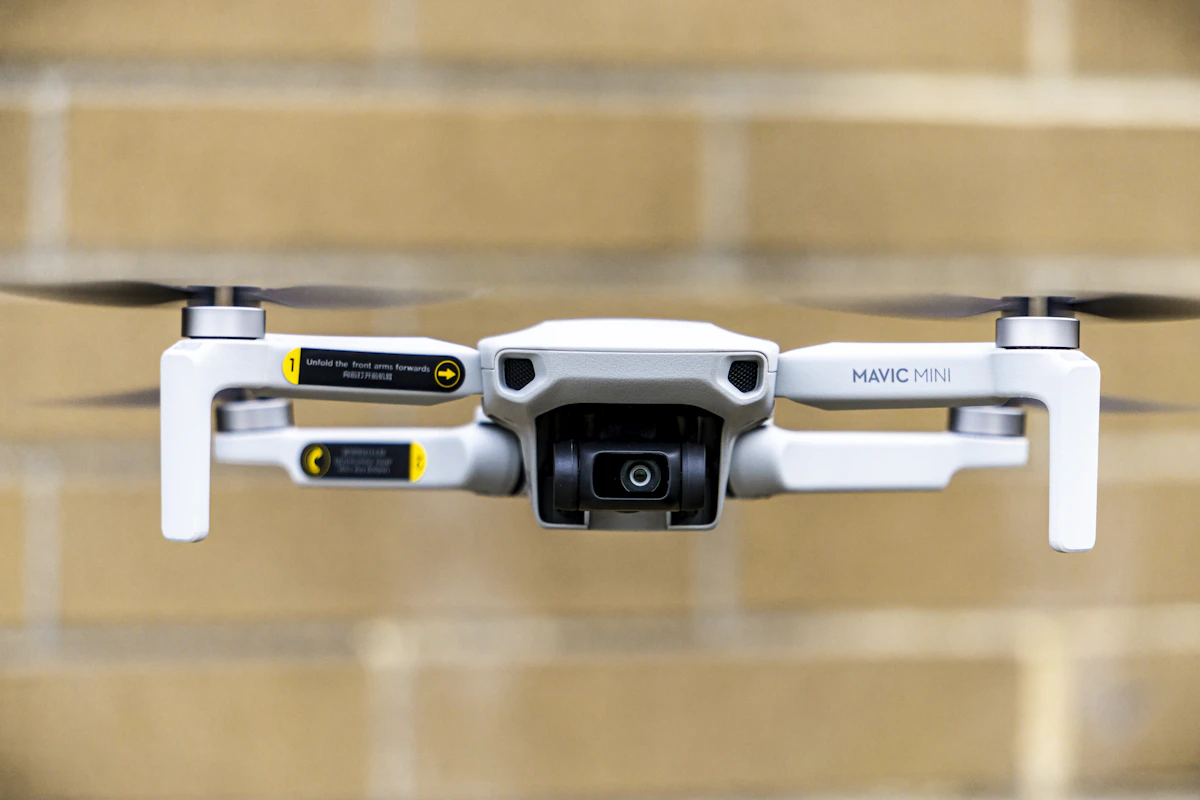

Our Pick: Mini 4 Pro Takes The Overall Win
The DJI Mini 4 Pro wins overall thanks to full omnidirectional obstacle avoidance, 4K/60fps HDR, 10-bit D-Log M, and O4 transmission. However, the Autel EVO Nano+ is a formidable alternative for pilots who refuse manufacturer geofencing locks and want superior blue-hour RYYB low-light photos.
Side-by-Side Specification Matrix
| Key Metric | Mini 4 Pro | EVO Nano+ |
|---|---|---|
| Starting Price (MSRP) | $759 | $429 |
| Takeoff Weight | 249 g | 249 g |
| Max Flight Time | 34 minutes (45 min with Plus Battery) | 28 mins (Rated) / 22 mins (Field Tested) |
| Camera Sensor | 1/1.3-inch CMOS Sensor (f/1.7 Dual Native ISO) | 1/1.28-inch CMOS (RYYB Filter, f/1.9 aperture) |
| Max Video Resolution | 4K/60fps HDR, 4K/100fps Slo-Mo, True Vertical 4K | 4K/30fps HDR, 2.7K/30fps, 1080p/60fps |
| Photo Resolution | 48 MP / 12 MP RAW | 50 MP (RYYB Pixel Binning, RAW DNG) |
| Obstacle Avoidance | Omnidirectional Active Obstacle Sensing (APAS 5.0) | Three-Way Binocular Vision (Forward, Backward, Downward) |
| Max Transmission Range | 20 km (FCC) / 10 km (CE) | 10 km (FCC) / 5 km (CE) |
| Max Forward Speed | 16 m/s (35 mph) | 15 m/s (34 mph) |
| Transmission Protocol | DJI O4 (1080p/60fps, 20 km) | Autel SkyLink (2.7K/30fps feed) |
| Gimbal Stabilization | 3-Axis Mechanical Gimbal with 90° Vertical Rotation | 3-Axis Mechanical Gimbal |
| Battery Spec | 2590 mAh Intelligent Flight Battery | 2250 mAh LiPo 2S |
| Controller Support | DJI RC 2 or DJI RC-N2 | Autel Ergonomic Gamepad Controller |
| Built-in Storage | 2 GB Internal + microSD (up to 512GB) | microSD Slot (supports up to 256GB) |
The Battle of the 249-Gram Ultralights
In the privileged sub-250g category, the DJI Mini 4 Pro ($759) and Autel EVO Nano+ ($429) represent two different engineering philosophies. Both bypass mandatory FAA recreational registration, but they approach optics and flight control from unique angles.
Low-Light Camera Benchmark: RYYB vs Dual Native ISO
The EVO Nano+ utilizes a unique 1/1.28-inch RYYB sensor with an ultra-wide f/1.9 aperture. By replacing green color filters with yellow, it captures up to 40% more photons in dim environments. In our blue-hour architectural tests, raw 50MP stills from the Nano+ exhibited exceptional shadow saturation with low luminance grain.
The Mini 4 Pro counters with an f/1.7 aperture and 10-bit D-Log M color profile. While its still photos are capped at 48MP, its video recording capabilities—including 4K/60fps HDR and 4K/100fps slow-motion—run circles around the Nano+'s 4K/30fps ceiling.
Flight Safety & Geofencing Freedom
The Mini 4 Pro features full 360-degree omnidirectional vision sensors with APAS 5.0 braking, making it nearly impossible to crash in daylight. The Nano+ features front, rear, and bottom sensors (leaving sides unprotected).
However, Autel has one massive advantage for commercial Part 107 pilots: no mandatory software geofencing. If you are authorized to fly near an airport or private facility, the Nano+ takes off immediately without waiting for online DJI Fly Safe unlock tokens.

Lead Flight Test Engineer & Editor-in-Chief • FAA Remote Pilot Cert #4829104
Marcus has spent over 11 years piloting and stress-testing multi-rotor aircraft, fixed-wing sUAS, and commercial LiDAR payloads. He has logged more than 1,400 hours of commercial flight time across coastal wind profiles, alpine survey flights, and urban RF testing grids. Read testing methodology & bio →