LiPo Battery Storage Rules: Prevent Swelling and Voltage Drops (2026)
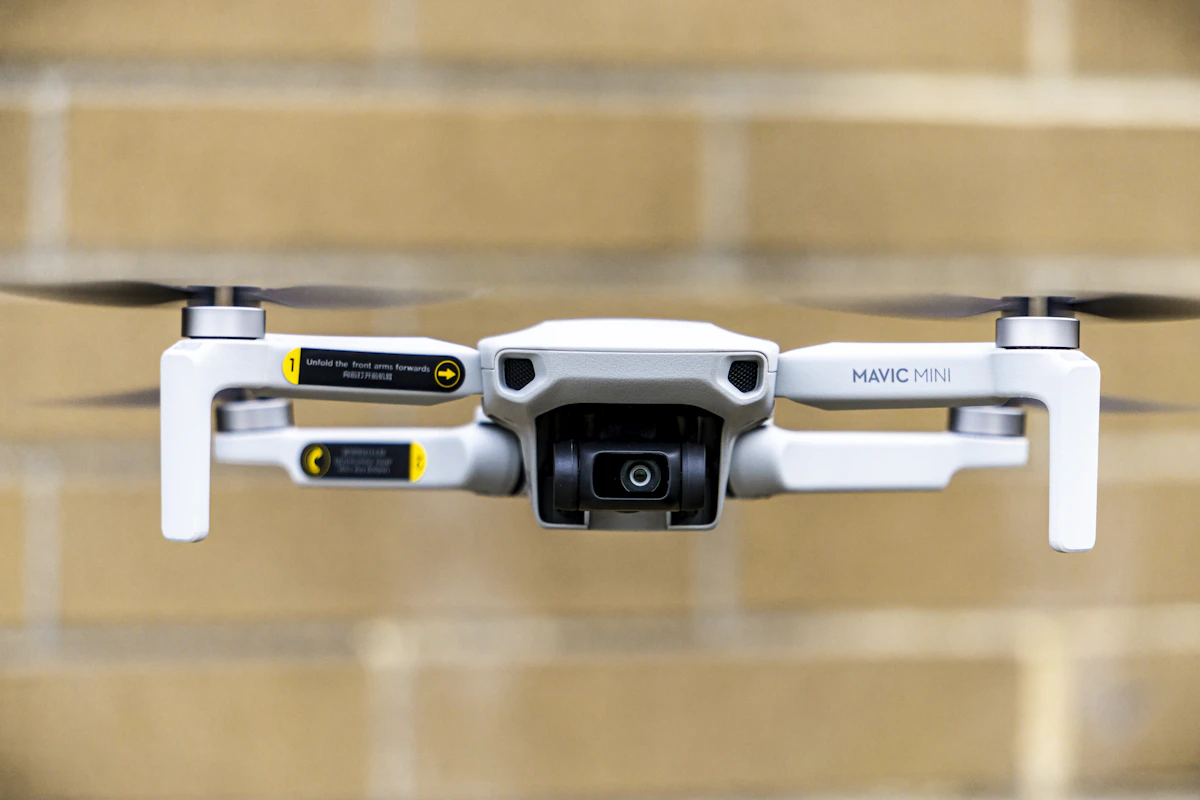
The Chemistry of Lithium-Polymer (LiPo) Battery Degradation
Modern camera drones—from the ultralight DJI Mini 4K to flagship commercial heavy-lifters—rely exclusively on high-discharge Lithium-Polymer (LiPo) or Lithium-Ion High Voltage (LiHV) pouch cells. Unlike nickel-cadmium or standard household alkaline batteries, LiPo chemistry is inherently volatile. At full charge (4.20V to 4.35V per cell), the cathode is highly oxidized and unstable.
If a fully charged LiPo pack is stored at room temperature for more than 48 to 72 hours, parasitic chemical side-reactions begin decomposing the liquid organic electrolyte. This process produces microscopic metallic lithium dendrites that pierce the internal polymer separator film, alongside carbon dioxide and sulfur gases that cause physical casing expansion—commonly known as battery swelling or "puffing". In this engineering guide, we break down exact storage protocols to guarantee maximum battery lifespan and total fire safety.
The Golden 3.80V to 3.85V Storage Rule
To preserve battery health over weeks or months of non-use, lithium cells must be maintained at their exact chemical stabilization voltage: 3.80V to 3.85V per cell, corresponding to approximately 50% to 60% State of Charge (SoC).
| State of Battery | Cell Voltage (Standard LiPo) | Cell Voltage (LiHV High-Voltage) | Safe Storage Duration |
|---|---|---|---|
| 100% Fully Charged | 4.20 V / cell | 4.35 V / cell | Maximum 24-48 hours. Rapid degradation begins thereafter. |
| Storage Voltage (50-60%) | 3.80 V - 3.85 V / cell | 3.85 V / cell | Indefinite (6-12 months with periodic top-ups). Minimal chemical stress. |
| Fully Discharged (<10%) | <3.50 V / cell | <3.55 V / cell | Extremely dangerous. Copper dissolution occurs below 3.0V, permanently ruining the pack. |
How DJI Intelligent Flight Batteries Handle Auto-Discharge
DJI packs feature an onboard Battery Management System (BMS) microcontroller that protects pilots from their own forgetfulness. When a DJI battery sits fully charged and untouched, the BMS timer begins counting idle days. Once the preset duration elapses (typically 1 to 5 days, customizable in older apps, fixed at 3-5 days in DJI Fly), the pack initiates automated self-discharge.
During auto-discharge, internal resistance bleed circuits convert excess charge into mild heat, gradually bleeding energy until the cells reach ~60% storage charge over 24 to 48 hours. If you pick up a DJI battery on your shelf and notice it feels warm to the touch, do not panic—it is simply discharging to safety. However, this self-discharge generates thermal cycles that slightly degrade capacity over time; the optimal practice is to fly your packs down to 50% or stop charging at 2 LEDs rather than relying solely on auto-discharge.
Measuring Internal Resistance (IR) in Milliohms (mΩ)
The single best indicator of a battery's true physical health is not its cycle count or external appearance—it is its Internal Resistance (IR). As batteries age, microscopic corrosion increases the electrical resistance against ion flow. High IR leads to massive in-flight voltage sags, triggering false low-battery forced landings when applying full throttle into headwind.
- Brand New / Excellent: 1 to 5 mΩ per cell. Minimal voltage sag; runs cool under full load.
- Good / Usable: 6 to 12 mΩ per cell. Suitable for gentle cinematic flying; avoid aggressive sport mode maneuvers.
- Degraded: 13 to 20 mΩ per cell. Demonstrates noticeable endurance drop and elevated operating heat.
- Dangerous / Retired: >25 mΩ per cell. High risk of instantaneous thermal runaway or sudden mid-air voltage collapse. Retire immediately.
Fire-Safe Storage Gear: Ammo Cans vs. LiPo Bags
A burning LiPo battery burns at over 1,000°C (1,800°F) and produces its own oxygen through thermal decomposition, meaning traditional Class A or chemical fire extinguishers cannot easily smother it.
#1 Steel .50 Caliber M2A1 Ammo Cans (The Gold Standard)
Heavy-gauge surplus military steel ammo cans contain heat and flame better than any fabric bag. CRITICAL SAFETY MODIFICATION: You MUST remove or cut a 2-inch section out of the rubber lid gasket. If a battery burns inside an airtight sealed ammo can, gas pressure builds up until the can explodes like a pipe bomb. Removing the gasket allows pressurized gas to safely vent while containing burning shrapnel and flame.
#2 Fiberglass Fireproof LiPo Safe Bags
Convenient for airline travel and quick day trips. Look for multi-layer construction featuring silicone-coated fiberglass exterior with fire-retardant interior fabric and heavy-duty industrial hook-and-loop closures.
#3 Batsafe Metal Battery Charging Boxes
Engineered double-walled steel containers with internal ceramic insulation and top-mounted flame arrestor fiberglass filters that vent non-flammable smoke while filtering toxic soot and stopping escaping embers.
FAA & TSA Airline Regulations for Drone Batteries (2026)
When traveling by air with camera drones, strict international aviation guidelines (IATA / FAA / TSA) govern lithium batteries:
- Carry-On Baggage ONLY: Drone batteries are strictly prohibited inside checked baggage due to the risk of unmonitored cargo hold fires. They must travel inside your carry-on luggage or personal backpack.
- Watt-Hour (Wh) Limits: Batteries under 100 Wh (which includes all DJI Mini, Air, Mavic, and Avata batteries) are allowed in unlimited reasonable quantities for personal use without airline pre-approval. Batteries between 101 Wh and 160 Wh (e.g., DJI Inspire TB50/TB60) require prior airline gate approval (maximum 2 spares per passenger).
- Terminal Protection: Insulate battery electrical contacts with non-conductive electrical tape or place each battery inside an individual zip-top bag to prevent short circuits against metal zippers or coins.
Frequently Asked Questions (FAQ)
Can I fix a puffy or swollen drone battery?
No. Physical swelling indicates irreversible internal structural degradation and flammable gas production. Never puncture a puffy battery with a pin to release gas—atmospheric oxygen will contact metallic lithium and trigger immediate explosive combustion. Retire and recycle swollen packs immediately.
What is the best temperature to store drone batteries?
Store batteries in a climate-controlled room between 15°C and 25°C (59°F to 77°F). Never store batteries in an unheated garage during freezing winters or inside a hot car glovebox/trunk in direct summer sunlight, where temperatures easily surpass 60°C (140°F).
How do I safely discharge a battery before disposal?
Connect the battery to a dedicated LiPo discharger or a 12V automotive halogen lightbulb outdoors on concrete until cell voltage reaches absolute 0.0V. Once completely drained of potential energy, drop it off at an official electronic waste or Call2Recycle drop-off location (available at Home Depot, Best Buy, and Lowe's).

Lead Flight Test Engineer & Editor-in-Chief • FAA Remote Pilot Cert #4829104
Marcus has spent over 11 years piloting and stress-testing multi-rotor aircraft, fixed-wing sUAS, and commercial LiDAR payloads. He has logged more than 1,400 hours of commercial flight time across coastal wind profiles, alpine survey flights, and urban RF testing grids. Read testing methodology & bio →