DJI Mavic 3 Classic vs DJI Air 3S: 4/3 Hasselblad vs 1-Inch Dual Telephoto
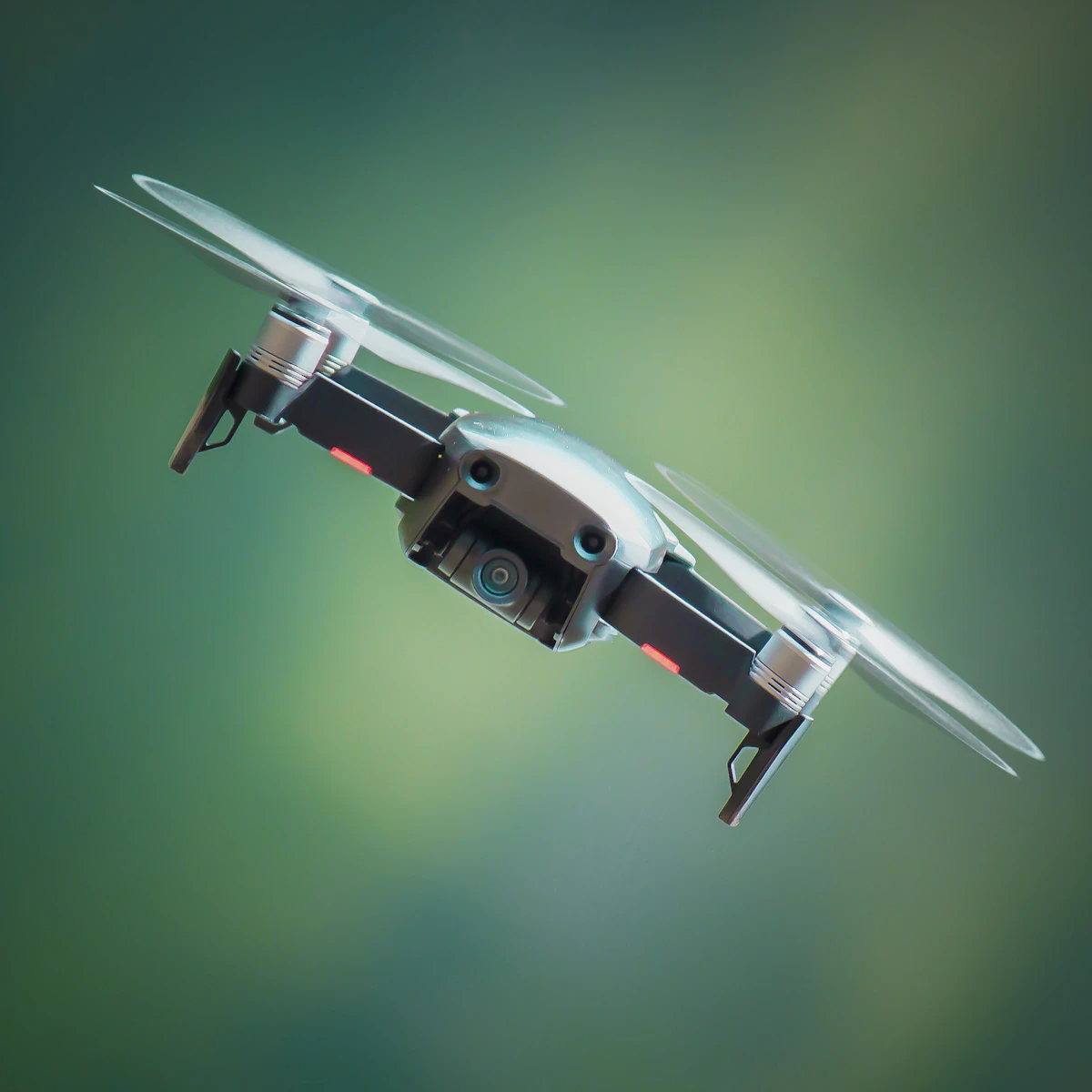

Our Pick: Air 3S Takes The Overall Win
The DJI Air 3S takes the crown for most creators thanks to its versatile 70mm 3x telephoto compression, forward LiDAR night obstacle detection, and 42GB built-in storage at $500 less. The Mavic 3 Classic remains preferred only for cinema purists who require an adjustable mechanical aperture and Hasselblad 12-bit RAW color.
Side-by-Side Specification Matrix
| Key Metric | Air 3S | Mavic 3 Classic |
|---|---|---|
| Starting Price (MSRP) | $1,099 | $1,599 |
| Takeoff Weight | 724 g | 895 g |
| Max Flight Time | 45 mins (Rated) / 39 mins (Field Tested) | 46 mins (Rated) / 39 mins (Field Tested) |
| Camera Sensor | 1-inch CMOS Primary (24mm) + 1/1.3-inch Medium Telephoto (70mm) | 4/3 CMOS Hasselblad L2D-20c (24mm equivalent, f/2.8-f/11) |
| Max Video Resolution | 4K/120fps, 4K/60fps HDR, 10-bit D-Log M & HLG | 5.1K/50fps, 4K/120fps slow-motion, 10-bit D-Log & HLG |
| Photo Resolution | 50 MP (Primary), 48 MP (Telephoto) | 20 MP (12-bit RAW DNG, 12.8 stops dynamic range) |
| Obstacle Avoidance | Omnidirectional Vision + Forward-Facing Solid-State LiDAR (NightScape APAS 5.0) | Omnidirectional Binocular Vision System (APAS 5.0) |
| Max Transmission Range | 20 km (FCC) / 10 km (CE) | 15 km (FCC) / 8 km (CE) |
| Max Forward Speed | 21 m/s (47 mph) | 21 m/s (47 mph) |
| Transmission Protocol | DJI O4 (1080p/60fps, 20 km) | DJI O3+ (1080p/60fps, 15 km) |
| Gimbal Stabilization | 3-Axis Mechanical Gimbal | 3-Axis Mechanical Gimbal |
| Battery Spec | 4276 mAh Li-ion 4S | 5000 mAh LiPo 4S |
| Controller Support | DJI RC-N3 or DJI RC 2 (5.5" FHD Screen) | DJI RC-N1 or DJI RC (Built-in Screen) |
| Built-in Storage | 42 GB Built-in + microSD (up to 512GB) | 8 GB Built-in + microSD (up to 512GB) |
The Prosumer Battleground: $1,099 vs $1,599
Filmmakers and commercial aerial photographers face a compelling dilemma: do you invest in the DJI Mavic 3 Classic ($1,599) with its prestigious 4/3 Hasselblad camera, or the newer DJI Air 3S ($1,099) with its dual-camera payload and forward LiDAR?
Optical Showdown: Hasselblad 4/3 vs Dual Sensor Flexibility
The Mavic 3 Classic features a massive 4/3 CMOS Hasselblad sensor with an adjustable physical aperture (f/2.8 to f/11). If you film direct sunset transitions or need to adjust exposure on the fly without swapping ND filters, the Classic provides unmatched optical convenience and slightly superior highlight rolloff.
However, the Air 3S pairs an impressive 1-inch 50MP primary sensor with a secondary 70mm 3x optical telephoto lens. The 70mm lens is an absolute superpower for aerial cinematography: it compresses background mountain ranges and brings architectural subjects dramatically closer to the frame without dangerous low-altitude flight.
Safety & Technology: NightScape LiDAR vs Visual APAS
The Air 3S incorporates forward-facing solid-state LiDAR alongside binocular vision sensors. In pitch-black night flights, the LiDAR actively paints building facades and tree branches with invisible laser pulses, enabling reliable night Return-to-Home and obstacle avoidance where the visual sensors of the Mavic 3 Classic are completely blinded.
Verdict
Unless you specifically require an adjustable mechanical aperture and 5.1K D-Log video, the DJI Air 3S is more versatile, technologically advanced, and costs $500 less than the Mavic 3 Classic.
Lead Flight Test Engineer & Editor-in-Chief • FAA Remote Pilot Cert #4829104
Marcus has spent over 11 years piloting and stress-testing multi-rotor aircraft, fixed-wing sUAS, and commercial LiDAR payloads. He has logged more than 1,400 hours of commercial flight time across coastal wind profiles, alpine survey flights, and urban RF testing grids. Read testing methodology & bio →